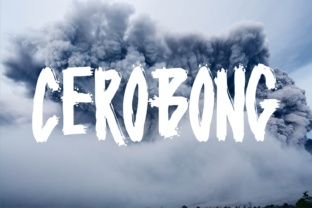
Cerobong: A Bold and Rustic Font for Creative Expression
In the world of typography, fonts serve as more than just a means of communication—they are visual statements that can evoke emotion, convey personality, and shape the identity of a design. One such font that has gained attention for its unique aesthetic is Cerobong. This handbrushed and rustic font offers a distinct character that stands out in a sea of digital typefaces. With its bold and hip style, Cerobong is ideal for displays and outdoor-themed designs, making it a versatile choice for a wide range of creative projects.
What sets Cerobong apart is its natural, handcrafted feel. Unlike many modern fonts that rely on clean lines and symmetry, Cerobong embraces imperfections and irregularities, giving it a raw and authentic look. This quality makes it particularly well-suited for projects that aim to convey a sense of authenticity, nostalgia, or connection to nature. Whether used in branding, signage, or editorial layouts, Cerobong adds a layer of visual interest that can elevate the overall impact of a design.
The Characteristics of Cerobong
Cerobong's design is rooted in the aesthetics of hand-painted brushwork. The font features uneven strokes, subtle variations in thickness, and a slightly irregular structure that mimics the way a brush might move across a surface. These elements contribute to a dynamic and expressive appearance that feels organic rather than mechanical. The result is a typeface that appears to have been created by hand, which can be especially appealing in contexts where a personal touch is desired.
Another notable characteristic of Cerobong is its versatility. While it is often associated with outdoor or rustic themes, the font can also be adapted for more contemporary settings. Its boldness allows it to command attention in large-scale applications, while its texture provides depth and dimension in smaller formats. This flexibility makes Cerobong a valuable asset for designers looking to add visual contrast and uniqueness to their work.
Advantages of Using Cerobong
One of the primary advantages of Cerobong is its ability to create a strong visual identity. In a competitive design landscape, standing out is essential, and Cerobong offers a distinctive alternative to more conventional typefaces. Its unconventional style can help differentiate a brand, a product, or a message from others in the same space. This is particularly useful in industries where creativity and originality are key, such as fashion, art, and lifestyle branding.
Additionally, Cerobong’s rustic qualities make it an excellent choice for projects that aim to evoke a sense of warmth, tradition, or simplicity. For instance, it can be used in packaging design for artisanal products, where the font’s handcrafted look reinforces the idea of authenticity and craftsmanship. It can also be applied to promotional materials for events or businesses that want to emphasize a down-to-earth, community-focused image.
Use Cases for Cerobong
Cerobong finds application in a variety of design contexts, each leveraging its unique traits in different ways. In the realm of branding, the font can be used for logos, business cards, or website headers to create a memorable and visually striking identity. Its boldness ensures that it remains legible even at smaller sizes, while its texture adds a tactile quality that enhances the overall experience.
Outdoor signage is another area where Cerobong shines. Whether it’s for a café, a boutique, or a local event, the font’s rugged and handcrafted look can complement the environment and reinforce the intended atmosphere. Its ability to stand out in a busy setting makes it an effective tool for attracting attention and communicating a message clearly.
In editorial design, Cerobong can be used to add visual interest to headlines, captions, or section dividers. Its irregularity and movement can break up monotony and guide the reader’s eye through a layout. When paired with more traditional fonts, it can create a balanced composition that combines structure with creativity.
Considerations When Using Cerobong
While Cerobong is a powerful tool for creative expression, it is important to use it thoughtfully. Because of its bold and irregular nature, it may not be suitable for every project. In some cases, it could overwhelm the design or reduce readability, especially when used in long blocks of text. Designers should consider the context and audience when deciding whether to incorporate Cerobong into their work.
Another consideration is the availability of the font. Cerobong may not be included in standard software packages, so users may need to purchase or download it separately. It is also important to ensure that the font is licensed appropriately for the intended use, whether for personal, commercial, or educational purposes.
Best Practices for Incorporating Cerobong
To get the most out of Cerobong, designers should experiment with different styles and combinations. Pairing it with simpler, more structured fonts can help balance its boldness and enhance its visual appeal. For example, using Cerobong for headings and a sans-serif font for body text can create a harmonious and professional look.
Testing the font in various sizes and formats is also recommended. What works well in a large headline may not be as effective in a smaller caption or logo. By adjusting spacing, color, and placement, designers can optimize the font’s impact and ensure it aligns with the overall design goals.
Finally, considering the cultural and contextual relevance of the font can help avoid unintended meanings or misinterpretations. While Cerobong’s rustic style is generally associated with authenticity and creativity, it may not always resonate in certain environments or with specific audiences. Understanding these nuances can lead to more thoughtful and effective design choices.
Conclusion
Cerobong is more than just a font—it is a design element that brings character, energy, and a sense of individuality to any project. Its handbrushed aesthetic and bold presence make it a compelling choice for creators looking to add a unique touch to their work. Whether used in branding, signage, or editorial layouts, Cerobong has the potential to transform a design and leave a lasting impression. As with any typographic choice, the key is to use it with intention and care, ensuring that it serves the purpose and resonates with the audience.