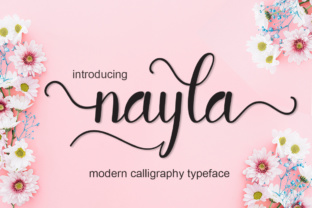
Nayla: A Script Font That Combines Movement and Elegance
When it comes to choosing the right font for a design project, the options can be overwhelming. However, for those seeking a balance between style and functionality, Nayla stands out as a remarkable choice. This script font is more than just an aesthetic option; it’s a versatile tool that can elevate a wide range of creative endeavors. With its fluid lines and expressive character, Nayla brings a sense of motion and sophistication that resonates with modern design sensibilities.
The Unique Characteristics of Nayla
Nayla’s defining feature is its dynamic flow, which gives it a natural, handcrafted feel. Unlike rigid typefaces that feel static, Nayla mimics the organic movement of handwriting, making it ideal for projects that require a personal touch. The font’s curves are smooth yet distinct, allowing it to maintain readability while still exuding elegance. This combination of form and function makes it a favorite among designers who want to add a touch of artistry without sacrificing clarity.
One of the most striking aspects of Nayla is its versatility. It works well in both digital and print formats, adapting seamlessly to different mediums. Whether used in branding, packaging, or web design, Nayla retains its visual appeal. Its ability to transition between formal and casual contexts makes it a go-to font for a variety of applications.
Why Designers Choose Nayla
Designers often look for fonts that not only look good but also serve a practical purpose. Nayla excels in this regard by offering a balance between creativity and usability. Its legibility at smaller sizes ensures that it can be used in body text without compromising readability. This makes it particularly useful for headlines, logos, and other prominent design elements where clarity is essential.
In addition to its visual appeal, Nayla is known for its consistency across different platforms. Whether you’re working on a website, a social media post, or a printed brochure, the font maintains its integrity. This reliability is crucial for designers who need to ensure that their work looks professional regardless of the medium.
Applications of Nayla in Modern Design
Nayla has found a home in numerous design fields, from fashion to marketing. In the world of branding, it’s often used to create logos that convey a sense of sophistication and movement. Its flowing lines can evoke a feeling of grace and fluidity, making it a popular choice for luxury brands or creative studios looking to stand out.
For web designers, Nayla offers a way to add personality to a site without overwhelming the user. It can be used in headers, buttons, or decorative elements to draw attention and enhance the overall aesthetic. When paired with simpler fonts, it creates a visually appealing contrast that guides the viewer’s eye through the content.
In the realm of print design, Nayla is frequently used in invitations, posters, and promotional materials. Its elegant appearance adds a touch of class, making it perfect for events, weddings, or high-end product launches. The font’s adaptability allows it to blend seamlessly with other design elements, ensuring that it complements rather than competes with the rest of the layout.
Considerations When Using Nayla
While Nayla is a powerful tool, it’s important to use it thoughtfully. Overusing the font can lead to a cluttered or unprofessional look. Designers should consider the context in which they’re using it and ensure that it aligns with the overall tone of the project. For example, a highly stylized version of Nayla might not be suitable for a corporate report, but it could work wonders for a creative portfolio or a brand identity kit.
Another consideration is the availability of different weights and styles. Some versions of Nayla come with variations that allow for greater customization. These options can help designers fine-tune the look of their work, ensuring that it meets the specific needs of the project. Experimenting with these variations can lead to unique and compelling results.
Best Practices for Incorporating Nayla
To get the most out of Nayla, designers should start by understanding the message they want to convey. The font’s expressive nature makes it ideal for projects that aim to evoke emotion or tell a story. For instance, a campaign focused on creativity or innovation might benefit from the font’s dynamic presence.
Pairing Nayla with complementary fonts can also enhance its impact. A sans-serif font like Helvetica or Arial can provide a clean, modern contrast that balances the script’s fluidity. This combination can create a harmonious visual hierarchy, guiding the viewer’s attention and improving the overall readability of the design.
Finally, testing the font in different sizes and formats is essential. What looks great on a large banner may not translate well to a small icon or a mobile screen. By experimenting with various applications, designers can ensure that Nayla remains effective and visually appealing across all platforms.
Conclusion
Nayla is more than just a script font—it’s a design asset that brings movement, style, and personality to any project. Its unique characteristics make it a valuable tool for designers looking to add a touch of elegance without sacrificing functionality. Whether used in branding, web design, or print media, Nayla continues to prove its worth in the ever-evolving world of modern design.